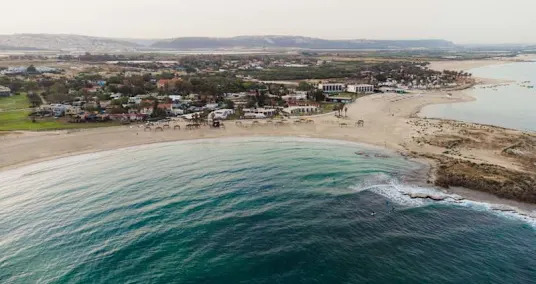
The discovery was made in an ancient shipwreck in the Dor Lagoon near the Carmel Coast, where archaeologists recovered nine pieces of unprocessed iron known as “blooms.”
Researchers from the University of Haifa said Wednesday that an underwater excavation off Israel’s northern Mediterranean coast uncovered what they described as the earliest known cargo of raw iron transported by ship, dating back around 2,600 years, Xinhua reported.
The discovery was made in an ancient shipwreck in the Dor Lagoon near the Carmel Coast, where archaeologists recovered nine pieces of unprocessed iron known as “blooms.” According to the university, the find provides direct evidence of how iron was transported in its earliest commercial stages.
The material was preserved in its original form, having solidified directly in a smelting furnace without undergoing forging or further refinement. Researchers said this distinguishes the cargo from later iron artifacts that typically show signs of shaping or tool-making.
Unlike copper and bronze, which could be melted into liquid form in ancient production processes, iron was heated with charcoal to produce a solid, porous mass. That mass was generally hammered to remove impurities and create denser material suitable for tools and implements.
The recovered blooms showed no indication of that secondary processing stage, suggesting they were transported immediately after production.

Earliest iron shipment discovered in ancient Mediterranean wreck
To determine the age and condition of the cargo, researchers conducted microscopic and chemical analyses.
Radiocarbon dating was also carried out on charred wood embedded in one of the pieces, helping confirm the timeline of the shipment. The findings were published in the journal Heritage Science.
Researchers said the cargo indicates that iron was being moved in raw form from production sites to other locations for further processing, pointing to a level of specialization in ancient manufacturing and trade networks in the Mediterranean.
The University of Haifa said the discovery provides new insight into early iron production and distribution practices in the region.
latest_posts
- 1
 Top notch Remote Earphones for Audiophiles
 - 2EU calls on Western Balkans to step up reforms for membership
- 31st-ever disease gene fix, Alzheimer's blood test: 7 medical breakthroughs in 2025
- 4From ‘Project Hail Mary’ to Artemis II, spaceflight captures audiences when it centers on people because human space travel is hazardous
- 5How to watch the ‘Wicked: One Wonderful Night’ special — now streaming




- Journalist reported killed in the Gaza Strip
- What is Fusarium graminearum, the fungus a Chinese scientist pleaded guilty to smuggling into the US?
- Activist vessel collides with krill trawler in Antarctic confrontation
- The Best 20 Tunes that Characterized an Age
- Eight wounded, cars catch fire in central Israel following strike from Iranian cluster munition
- Most loved Specially prepared Espresso Mix: Which Meal Do You Adore the Most?
- The best movies to watch this holiday season: Stream 'A Christmas Story Christmas,' revisit 'The Night Before' and discover 'The Baltimorons'
- Step by step instructions to Keep up with Great Hand Cleanliness Before Handshakes
- What to watch for as NASA’s historic Artemis II crew prepares to lift off toward the moon